


Thai Culture – Discovering the Vibrant Festivals and Events 

Being a country rich in history and culture, it is no wonder that Thailand’s traditions and customs also involve certain celebrations that take place during specific times of the year. For those hoping to travel to the country, remember that you too are welcome to participate in all the fun. Here are a few festivals travellers should consider timing their visit for.

Loy Krathong

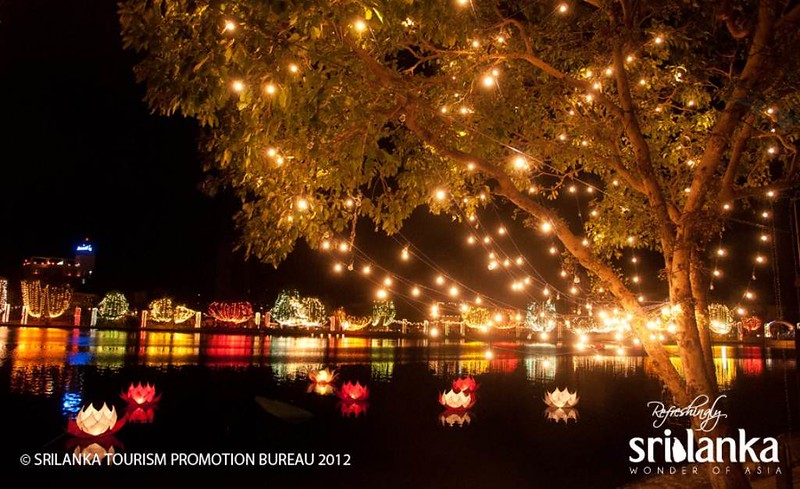
This is one of the most popular festivals that Thailand is known for. It is also called the Festival of Lights. Loy Krathong is celebrated on the twelfth month of the lunar calendar, locals visit the temple and participate in various rituals before heading to the closest waterway to set their colourful Krathong afloat.  If you happen to be staying at Avani+ Mai Khao Phuket Suites & Villas in October or November, do join the festivities.

Songkran

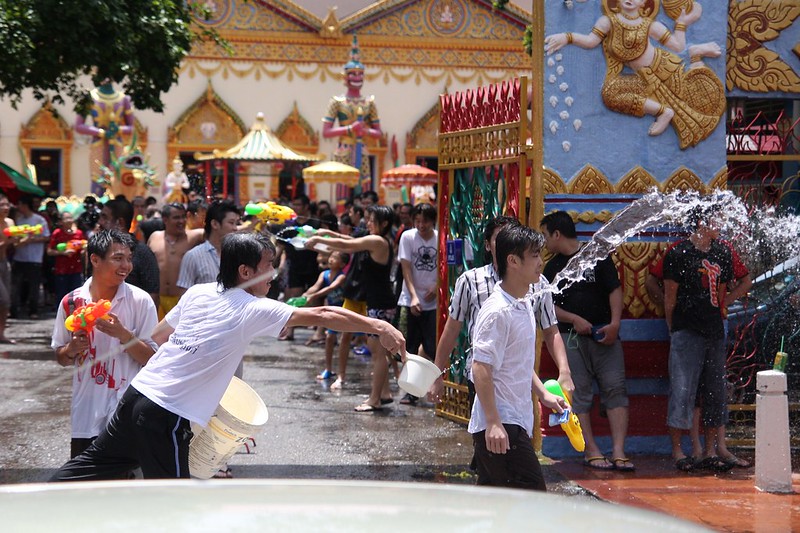
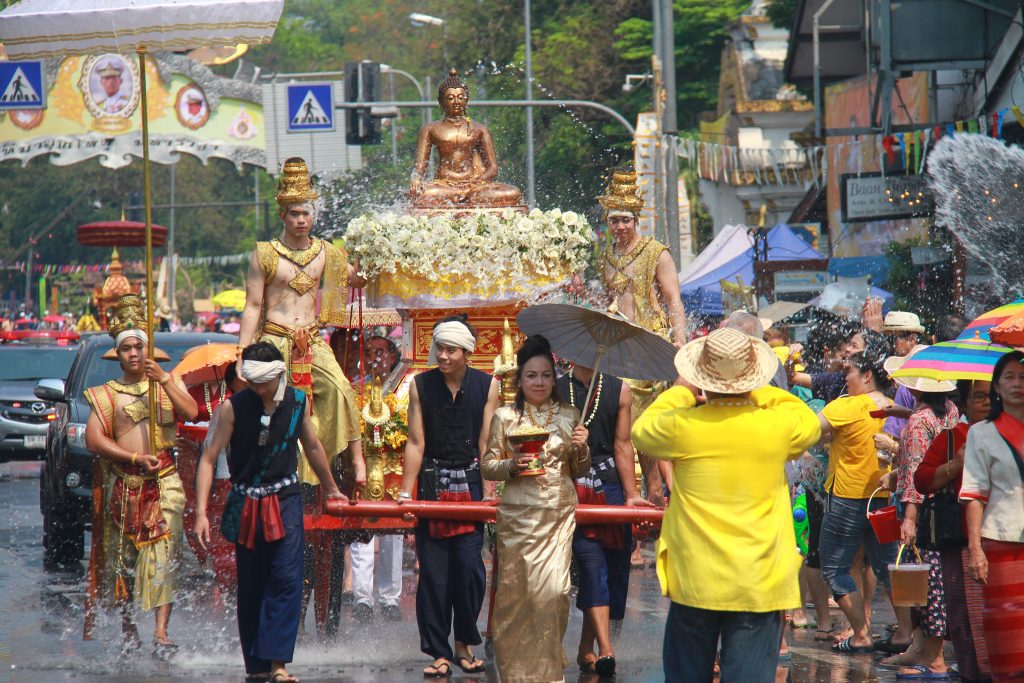
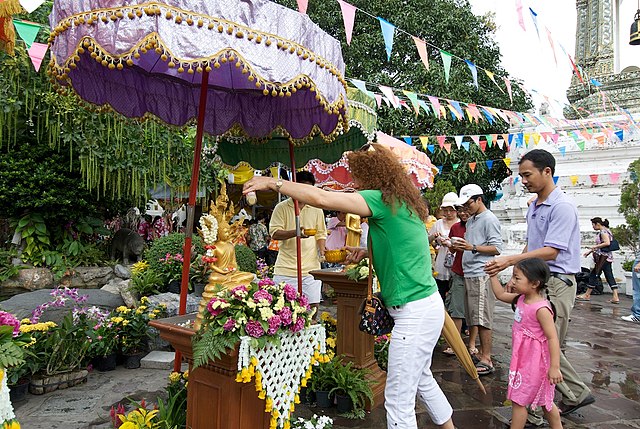
Festivities for Songkran take place on the 13th of April every year. This is where the local Buddhist devotees pour water on their Buddha statues. They celebrate the festival with a country-wide water fight…although it is all fun and laughter, this practice does have a religious significance. It is believed that the water will wash away their past sins.

Chinese New Year

Since Thailand has a large Chinese population, Chinese New Year is also celebrated in full swing, especially in Yaowarat, the Chinatown of Bangkok. The festival takes place in January or February and during this time, the streets are filled with stalls selling firecrackers and plenty of Chinese street food. Don’t miss out on the Chinese Dragon dancers too.

Visakha Bucha Day

This is a special day for Buddhist devotees across the globe and is a day considered holy by the Thai people as well. It is the commemoration of the birth, enlightenment and passing of Lord Buddha. If you are travelling through the best places to visit in Phuket, head over to a temple to soak in the religious atmosphere on this day.
Koh Lanta’s Festivals and Celebrations: Embracing Local Culture and Traditions

Koh Lanta, a picturesque island nestled in the Andaman Sea, is not only renowned for its stunning beaches and tranquil ambience but also for its vibrant festivals and celebrations. Let’s delve into the island’s rich cultural tapestry and explore some of its most captivating events:

Loi Krathong

One of Thailand’s most enchanting festivals, Loi Krathong, is celebrated with great fervour on Koh Lanta. Usually occurring in November, this festival involves floating beautifully decorated krathongs (small boats made from banana leaves and adorned with flowers, candles, and incense) onto the water to pay respects to the water spirits and seek forgiveness. Visitors staying at hotels like Avani+ Koh Lanta can join locals in this mesmerizing ritual, which also includes cultural performances, traditional music, and delectable street food.

Laanta Lanta

Laanta Lanta is a unique cultural festival that showcases the vibrant heritage of the local Chao Leh (sea gypsy) community in Koh Lanta. Held annually in March, this festival features colourful parades, traditional dance performances, and exhibitions highlighting the Chao Leh’s distinct way of life, including their fishing techniques, handicrafts, and culinary delights. Visitors at Krabi family friendly resorts can immerse themselves in the island’s indigenous culture and gain insights into the traditions of the Chao Leh people.

Song Kran

Song Kran, the Thai New Year, is celebrated with exuberant water fights and lively street parties across the country, and Koh Lanta is no exception. Taking place in April, this joyous festival marks the beginning of the traditional Thai lunar calendar and is renowned for its spirited water-splashing festivities.

Wai Kru

Wai Kru is an ancient Thai ritual where students pay homage to their teachers as a sign of respect and gratitude for their guidance and knowledge. On Koh Lanta, this ceremony is observed with great reverence, especially in schools and educational institutions. Students perform traditional dances, present floral offerings, and recite prayers to honour their teachers.

Loy Krathong – Thailand’s Festival of Lights

Immerse yourself in the enchanting world of Thai culture and tradition with Loy Krathong, one of the most captivating and beautiful festivals celebrated throughout Thailand. Known as the Festival of Lights, Loy Krathong takes place on the full moon night of the twelfth lunar month (usually in November), when people gather along rivers, lakes, and waterways to pay homage to the goddess of water, express gratitude, and release their worries and misfortunes.

1. Floating Krathongs:

At the heart of Loy Krathong are the floating krathongs, intricately crafted vessels made from banana leaves, flowers, candles, and incense sticks. These miniature rafts symbolize the offering of thanks to the goddess of water and the letting go of negative emotions and burdens. As dusk falls, people gather by the water’s edge to set their krathongs afloat, making wishes for the future and watching as the flickering candles illuminate the night sky.

2. Traditional Rituals:

Throughout Thailand, locals and visitors alike participate in traditional rituals and ceremonies to mark the occasion of Loy Krathong. This includes paying respects to Buddha images, offering prayers and incense at temples, and joining processions featuring elaborately decorated floats and lanterns. In Chiang Mai, the ancient capital of the Lanna Kingdom, the festival is celebrated with grandeur and spectacle, including parades, cultural performances, and dazzling fireworks displays.

3. Krathong-Making Workshops:

Experience the artistry and craftsmanship of Loy Krathong firsthand by participating in krathong-making workshops held in communities and cultural centres across Thailand. Here, you can learn the intricate techniques of folding banana leaves, weaving intricate patterns, and decorating your Krathong with fragrant flowers and ornamental details. These workshops offer a unique opportunity to connect with local traditions and create your own symbolic offering to the goddess of water.

4. Lantern Releases:

In addition to floating krathongs, Loy Krathong is also celebrated with the release of khom loi, or floating lanterns, into the night sky. These paper lanterns are illuminated by candle flames and symbolize the release of negative energy and the pursuit of happiness and prosperity. Watching thousands of lanterns ascend into the heavens creates a mesmerizing spectacle that captures the imagination and fills the heart with wonder. You can participate in such events in resorts in Phuket which are bound to organize something memorable for their guests such as the Avani+ Mai Khao Phuket Suites & Villas.

5. Cultural Performances and Festivities:

Throughout Thailand, Loy Krathong is accompanied by a myriad of cultural performances, traditional music, and folk dances that showcase the rich heritage and diversity of Thai culture. From spectacular light shows to vibrant street markets selling local handicrafts and delicacies, the festive atmosphere of Loy Krathong is infectious, drawing people from all walks of life to join in the celebrations and create cherished memories together.

Taylor Swift and Her Eras Tour in the Lion City – The Amazing Tourism Impact on Singapore

Calling all Swifties and pop culture enthusiasts! Prepare to delve into the fascinating world of “Swiftenomics” – the economic phenomenon surrounding Taylor Swift’s record-breaking Eras Tour. Read on to find out more about how her Singapore stop infused the Lion City with a staggering economic boost.

Swift’s Midas Touch: A Tour for the Ages

Taylor Swift’s Eras Tour is a global phenomenon, spanning five continents and over 150 shows. Launched in March 2023, it’s set to continue its reign well into winter 2024. At the heart of this success lie her devoted fans, the “Swifties.” They’re not just spectators – they’re active participants, contributing to the tour’s meteoric rise with over $1 billion in ticket sales. With this kind of power, it’s no surprise the Eras Tour is already the most profitable concert event ever! Unsurprisingly, Taylor Swift, with an estimated fortune of $1.1 billion, is a recent addition to Forbes’ prestigious list.

The Singapore Stopover: A Sold-Out Sensation

Singapore emerged as the sole Southeast Asian stop on the Eras Tour, as Swifties from around the world turned out in force. Six sold-out shows on 2nd, 3rd, 4th, 7th, 8th, and 9th, March 2024 saw over 300,000 tickets vanish faster than you can say “Shake it Off!” The venue for these phenomenal performances was the National Stadium located within easy reach of hotels near Singapore city centre. These include properties in the Civic District such as Grand Park City Hall which make an ideal base for those planning on attending such concerts.

The Staggering Numbers: A Tourism Triumph

Thanks to Taylor’s magic touch, Singapore’s projected economic growth for 2024 received a significant boost. According to Forbes, economists estimate the influx of foreign Swifties attending the concerts injected a cool $225 to $300 million into the city-state’s economy in the first quarter!  This translated to a surge in flights, hotel bookings, and occupancy rates, making it a win-win for both fans and Singapore’s tourism industry.

More Concerts to Rock the Lion City

While Taylor Swift may have stolen the show for now, Singapore’s concert scene is sizzling! 2024 has also seen performances by other global music sensations the likes of Coldplay and Bruno Mars, and the party’s far from over. K-pop queen, IU graces the stage in April (20th and 21st), followed by rock bands Boys Like Girls (25th) and INCUBUS (29th). Pop favourites Lauv (4th May) and Niall Horan (9th May), as well as Japanese rock band, RADWIMPS (11th May), are lined up as well, with NCT Dream bringing the heat in June (29th and 30th). Keep your eyes peeled and ear to the ground because there are more big names heading to the Lion City!

Unveil Dubai’s Spectacular Festivals: A Journey Through Cultural Extravaganza

Dubai is synonymous with luxury shopping and futuristic skylines. But beneath the gleaming facade lies a vibrant cultural tapestry, unveiled during its many spectacular festivals. So, pack your bags and ditch the itinerary – Dubai’s festivals are your guide to authentic experiences!

Dubai Shopping Festival (December-January)

This granddaddy of all Dubai festivals transforms the city into a shopper’s paradise. Unbelievable discounts, dazzling fireworks displays, and live entertainment paint the town red. But beyond the retail therapy, witness cultural performances and traditional souks come alive, offering a glimpse into Emirati heritage.

Dubai Food Festival (February)

Foodies, rejoice! This month-long extravaganza is a celebration of global flavours. From Michelin-starred galas to international food trucks, your taste buds will embark on a culinary adventure. Don’t miss the chance to savour Emirati delicacies and participate in cooking demonstrations, learning the secrets of fragrant spices and slow-cooked stews.

Dubai International Film Festival (December)

Calling all cinema enthusiasts! This prestigious event showcases the best of world cinema, with red-carpet galas and screenings by acclaimed directors. It’s a platform for cultural exchange, where you can rub shoulders with filmmakers and discover hidden cinematic gems.

Dubai Desert Classic (February)

Experience the thrill of world-class tennis amidst the majestic desert backdrop. Witness top players battle it out on the court while enjoying the atmosphere and cultural performances that complement the sporting action.

Dubai Summer Surprises (June-August)

Escape the summer heat with a calendar brimming with the most interesting things to see and do in Dubai. World-class musicals, family-friendly entertainment shows, and mall promotions with extended shopping hours keep the city buzzing. This is the perfect time to experience indoor attractions and cultural centres at your own pace. Retreat back to the comforts of your room at Anantara The Palm Dubai Resort if the heat gets unbearable.

Amazing Cultural Festivals in Cambodia – Immerse Yourself in Colourful Traditions

Cambodia’s vibrant culture comes alive throughout the year with a dazzling array of festivals. From joyous celebrations to solemn observances, each event offers a unique window into the heart and soul of this captivating country.

Choul Chnam Thmey

Welcome the traditional Cambodian New Year, Choul Chnam Thmey, and experience a joyful nationwide celebration. This three-day extravaganza in mid-April coincides with the Angkor Sankranta Festival in Siem Reap, making it the perfect time to visit Angkor Wat within easy reach of properties like Anantara Angkor Resort. Experience the local New Year and witness traditional ceremonies, water blessings, and colourful parades bursting with colour and music.

Bon Om Touk

Experience the dynamic energy of the Cambodian Water Festival or Bon Om Touk in October or early November. This annual event, mainly held in Phnom Penh marks the end of the rainy season and is known for its heart-pounding Pirogue longboat races on the Tonle Sap River. The festival comes alive with vibrant music, captivating dance performances, and delectable local cuisine – a feast for all senses! Meanwhile, those staying at a luxury hotel in Siem Reap can also enjoy this festival in Angkor with more festivities in store.

Vesak Bochea

Vesak Bochea, or Visak Bochea, honours the life of Lord Buddha. Devout Buddhists gather at temples nationwide on the full moon of the sixth lunar month, usually in April or May. This solemn occasion celebrates the Buddha’s birth, enlightenment, and passing into Nirvana. Participate in temple ceremonies, observe candlelit processions, and join in helping the less fortunate. Be prepared to also experience the profound sense of peace that permeates the air.

Pchum Ben 

Pchum Ben, also known as Ancestors’ Day, is a poignant 15-day festival observed throughout Cambodia, usually in September or October. The locals believe the spirits of their ancestors descend upon Earth during this time. Families gather to offer food and prayers at temples, seeking merit for their loved ones in the afterlife. Witness the preparation of elaborate meals and see the reverence with which Cambodians honour their ancestors and elders.

Makati’s Business-oriented Landscape

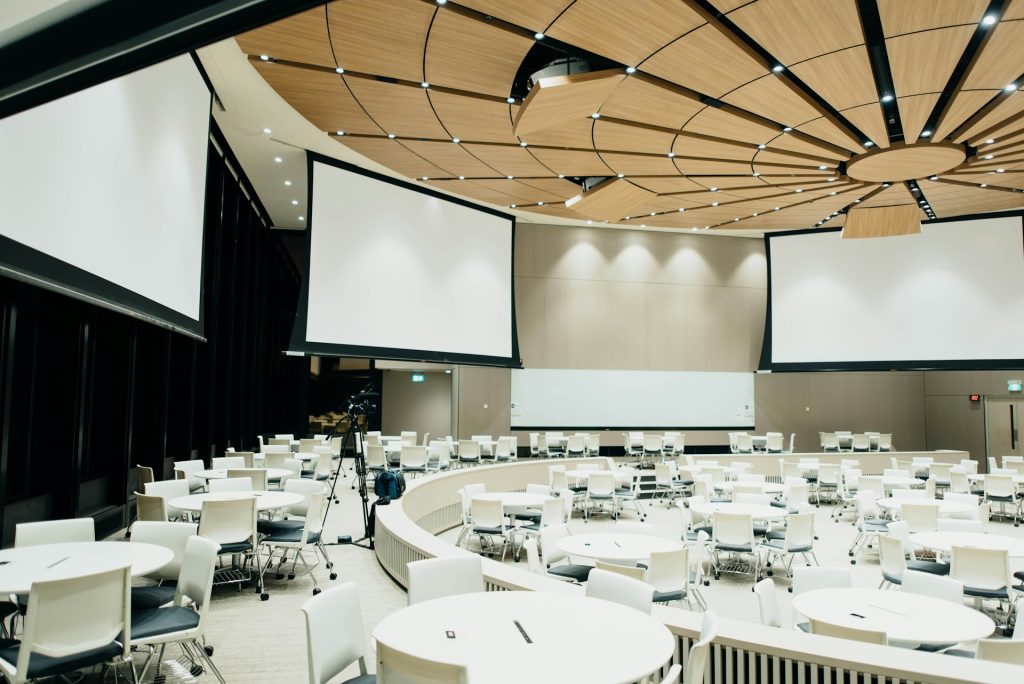
Beyond its corporate allure, Makati also presents an enticing canvas for hosting events of all scales and genres. Its strategic location, coupled with world-class facilities and amenities, positions Makati as an ideal destination for businesses seeking to leave a lasting impression through memorable and successful events. From luxurious hotels to state-of-the-art convention centres, Makati offers a plethora of venues tailored to cater to the diverse needs of event organisers.

Events – Photo by CHUTTERSNAP on Unsplash

The “True” Center

Makati is commonly hailed as the nexus of Metro Manila’s northern and southern regions, earning its status as the bustling urban core it is today. Its strategic positioning renders Makati highly accessible for guests, suppliers, and event collaborators alike.

Access to supplies and suppliers

Whether you prefer hands-on decoration or seek professional assistance, Makati is encircled by malls and business hubs offering diverse options tailored to every budget. Moreover, the abundance of printing shops in the vicinity makes reproducing print materials and other event collaterals a breeze – ideal for suitors of studio apartments in Metro Manila, such as the Ascott Makati.

Variety of Event Spaces

Due to its widespread popularity, Makati offers a plethora of choices when it comes to event venues, ranging in size, available amenities, catering partnerships, and more. Whether you seek specific features such as ample natural lighting or verdant garden spaces, Makati serves as an ideal starting point for scouting.

Assured Safety

Makati City boasts its status as one of the safest urban centers in the Philippines, ranking fourth in Southeast Asia according to the Numbeo Safety Index 2019, with an impressive Safety Index rate of 59.48 points. Mayor Abby Binay lauds the city government’s unwavering dedication to safety, affirming their commitment to fostering resilient communities where residents can thrive securely.

Key Events and Festivals in Maldives Celebrated Each Year – A Time for Reflection & Celebration!

The Maldives offers much more than sublime island getaways and its rich heritage is intertwined with festivals and events held throughout the year. If you are planning a trip here, consider aligning your visit with one of these festivals to experience the true essence of Maldivian life.

Ramadan

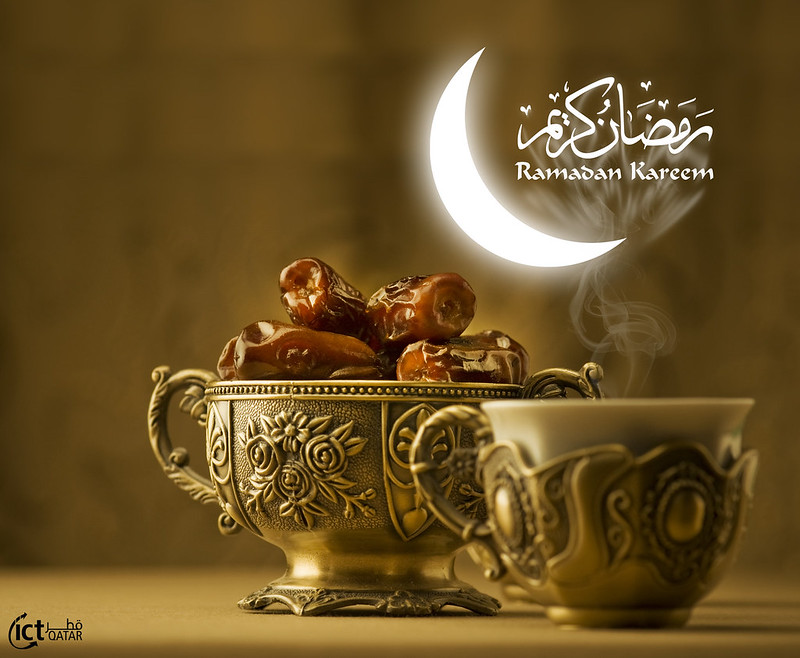
Ramadan – Image via Flickr

Ramadan

Ramadan, the ninth month of the Islamic calendar, is a holy month observed by Maldivians (and Muslims across the world) with reverence. During this time, Muslims abstain from food and drink from dawn to dusk. However, the spirit of Ramadan transcends fasting. It’s a period of spiritual reflection, prayer, charity, and community. As dusk approaches, the day culminates in Iftar, a joyous feast shared with family and friends.

Eid al-Fitr (Kuda Eid)

Marking the end of Ramadan, Eid al-Fitr, also known locally as ‘Kuda Eid’, is a joyous celebration.  Excitement fills the air as families and friends gather for special prayers at mosques. It is customary for people to also make charitable donations, visit loved ones and exchange gifts. Grand feasts with traditional dishes and sweet treats are enjoyed as well. This is a great time for holidays at private island resorts like OBLU NATURE Helengeli by SENTIDO where one can experience stays at luxury villas in Maldives and the festive atmosphere.

Independence Day

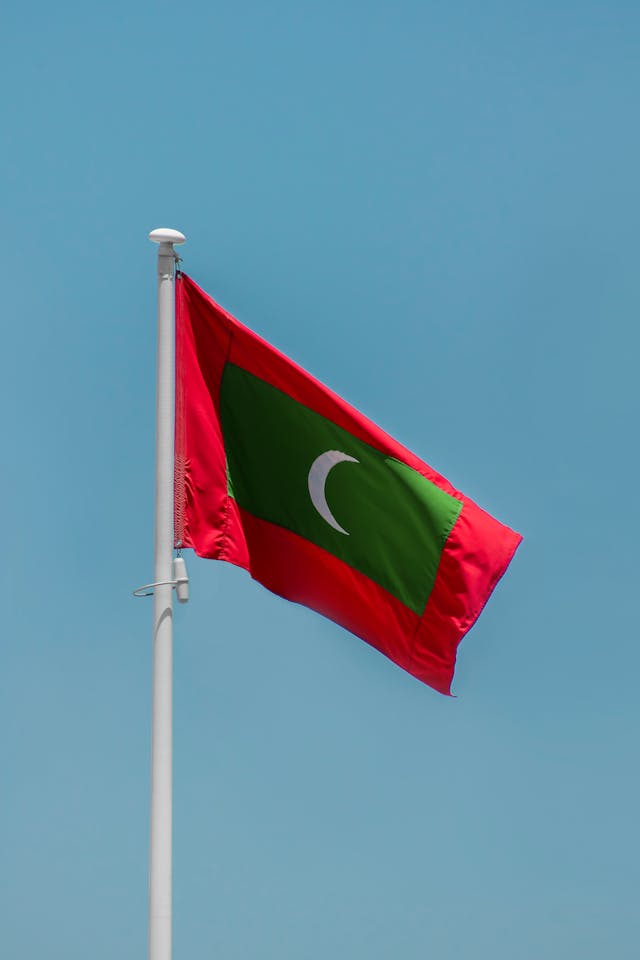
Independence Day – Image via Pexels

On the 26th of July, Maldivians commemorate their independence from British rule in 1965. Patriotism takes centre stage with flag-raising ceremonies and national parades featuring the National Security Services, especially in the capital, Male. Traditional music and cultural performances on this day also showcase the rich heritage of the islands and the deep-rooted sense of national pride.

Republic Day

Every 11th of November, the Maldives celebrates Republic Day, commemorating the establishment of the republic in 1968. This day marks a significant shift from a sultanate to a republic. Official ceremonies are held, often accompanied by flag-hoisting ceremonies, speeches, parades, and cultural performances. Republic Day serves as a reminder of the nation’s democratic journey and its aspirations for the future.

Celebrating Culture and Tradition – Festivals in Sri Lanka


Sri Lanka, with its rich tapestry of culture and tradition, is home to a vibrant array of festivals that celebrate the island’s diverse religious and cultural heritage. From colourful processions and elaborate rituals to spirited dances and traditional music, these festivals offer a unique glimpse into the heart and soul of Sri Lankan society. Explore some of the most significant festivals in Sri Lanka, where the spirit of celebration and community comes alive in a dazzling display of colour and spectacle.

Vesak | img via flickr

Sinhala and Tamil New Year (Avurudu):
Sinhala and Tamil New Year, known locally as Avurudu, is one of the most eagerly anticipated festivals in Sri Lanka, celebrated by both Sinhalese and Tamil communities with great enthusiasm. Taking place in April, Avurudu marks the dawn of the new year and is observed with a series of traditional customs and rituals, including the lighting of the hearth (ane kuduwa), the preparation of sweetmeats (kiribath), and the traditional game of avurudu kumaraya (New Year sports). Festive decorations adorn homes and streets, while families come together to share meals and exchange gifts, fostering a sense of unity and goodwill.

Vesak (Buddha Purnima):
Vesak, also known as Buddha Purnima, commemorates the birth, enlightenment, and death of Lord Buddha, making it one of the most sacred festivals in the Buddhist calendar. Celebrated in May, Vesak is marked by colourful lanterns, illuminated pandals depicting scenes from the life of Buddha, and offerings of flowers and candles at temples across the country. Devotees participate in poya (full moon) day ceremonies, perform acts of charity, and observe sil (precepts) as a form of spiritual purification, reflecting the principles of compassion, generosity, and mindfulness taught by the Buddha.

Esala Perahera:
The Esala Perahera, held annually in the sacred city of Kandy, is one of the grandest and most spectacular religious processions in Asia. Taking place over ten nights in July or August, this vibrant pageant pays homage to the sacred tooth relic of the Buddha, housed in the Temple of the Tooth (Dalada Maligawa). Elephants adorned in colourful regalia, traditional dancers, drummers, and flag bearers parade through the streets of Kandy, accompanied by the sound of chanting and the scent of incense, creating a mesmerizing spectacle that captivates spectators from around the world. If you want to discover the cultural heritages in Sri Lanka this would be the best time to visit.

Kataragama Esala Festival:
The Kataragama Esala Festival, held in the sacred town of Kataragama in the southeastern region of Sri Lanka, is a multicultural celebration that draws devotees from diverse religious backgrounds. Dedicated to the deity Kataragama Deviyo, revered by Hindus, Buddhists, and Muslims alike, this festival features colourful processions, fire-walking rituals, and elaborate ceremonies held at the Kataragama Temple. Pilgrims offer prayers and seek blessings for health, prosperity, and spiritual fulfilment, reflecting the spirit of unity and harmony that pervades this sacred site. You can find out more info about all these festivals on sites like Truly Sri Lanka.

Navaratri (Durga Puja):
Navaratri, also known as Durga Puja, is a Hindu festival dedicated to the worship of the goddess Durga and her nine divine forms. Celebrated in September or October, Navaratri is marked by vibrant processions, elaborate pujas (ritual offerings), and spirited performances of classical dance and music. Devotees fast, recite sacred texts, and participate in religious ceremonies to honour the divine feminine and seek her blessings for protection, prosperity, and spiritual awakening.

Celebrating the Songkran Festival – A Time for Family and Fun

The Songkran Festival, also known as the Thai New Year, is a vibrant and joyous celebration deeply rooted in Thai culture and tradition. Held annually from April 13th to 15th, this auspicious occasion marks the beginning of the traditional Thai solar calendar. It is a time of renewal, purification, and the welcoming of fresh beginnings. Throughout Thailand, streets come alive with spirited water fights, elaborate parades, and colourful ceremonies that pay homage to Buddhism and Thai customs.

Songkran Festival

Songkran Festival – Image via Flickr

The Festival and Symbolism

The term “Songkran” in Thai signifies ‘to move’ or ‘movement’ and the Songkran Festival is determined by the transition of the sun from one zodiac position, Pisces, to another position, Aries. Also referred to as the Water Splashing Festival, it holds significance as the Thai New Year celebration. In Buddhism, water symbolizes renewal, with devotees splashing water on Buddha statues for good fortune, while younger generations honour their elders by bathing their hands in return for blessings.

Origins and Timing

The Songkran Festival is an annual celebration observed from April 13th to April 15th. Commencing with an official opening ceremony on April 13th in major cities across Thailand, the festival heralds the beginning of festivities. While traditionally spanning three days, the holiday’s duration extends in various regions. This timing traces back to the migration of the Thai people from southern China to Thailand circa 200 BC. Originally following a lunar calendar, they adjusted their New Year to coincide with April, marking the conclusion of the dry season, as they settled into the climate of Central Thailand.

The Three Days of Songkran

During the Songkran Festival, April 13th marks Song Nam Phra (‘Pouring Water on Monks’) Day, featuring Buddha image processions and spirited water fights. April 14th, also called Wan Nao, commemorates the old Thai New Year’s Eve and serves as National Family Day, emphasizing family bonding. Finally, April 15th, Wan Payawan (‘Bathing Buddha’) Day, signifies the start of the New Year with widespread festivities including continuous water battles, concerts, street food, and various celebrations across the nation.

Traditional Activities during the festival

Songkran festival

Songkran festival – Image via Flickr

During the Songkran Festival, numerous traditional activities take place. Water splashing, a beloved tradition, offers respite from the April heat, with streets transforming into lively arenas for playful water fights using pipes, buckets, and water guns, welcoming both locals and foreigners. Cleaning rituals symbolize renewal, as homes, temples, and public spaces are tidied to welcome the New Year, around every part, no matter if it’s a Sukhumvit hotel like the well-known Travelodge Sukhumvit 11, or a restaurant corner.